
Choosing the right mattress adhesive is essential for mattress durability, comfort, and production efficiency. Whether you manufacture foam mattresses, repair inflatable beds, or assemble layered mattress materials, using the correct glue for mattress applications can significantly improve product quality and reduce long-term failure rates.
Different mattress materials require different bonding solutions. Foam, latex, fabric, springs, PVC, and vinyl all respond differently to adhesives. A poor-quality mattress glue may lead to delamination, odor issues, weak bonding, or air leakage.
This guide explains how to choose the best mattress adhesive for your needs, the advantages of professional mattress glue, and what factors manufacturers and repair professionals should consider before purchasing.
A mattress adhesive is a specially formulated bonding material used to connect mattress components together while maintaining flexibility and long-term durability.
It is commonly used for:
Foam-to-foam bonding
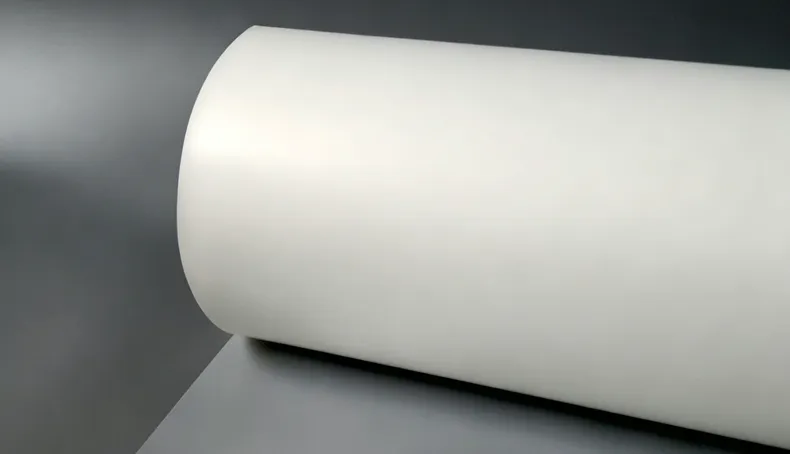
Fabric lamination
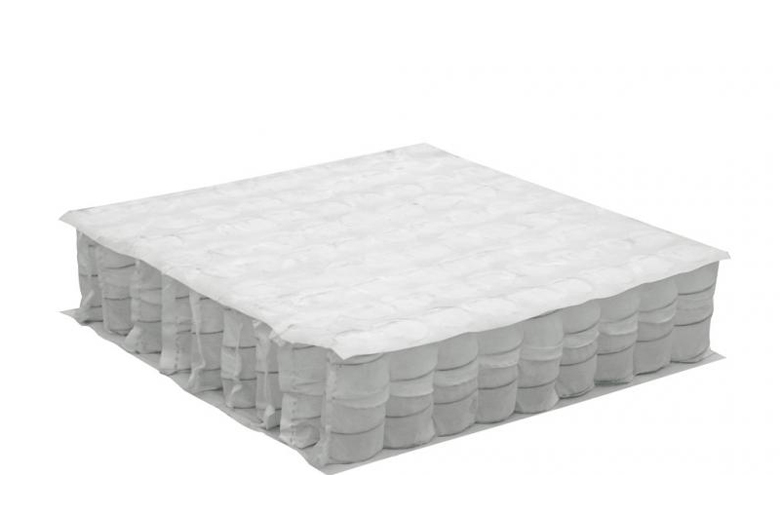
Pocket spring assembly
Sponge bonding
Air mattress repair
PVC and vinyl sealing
Unlike ordinary glue, mattress adhesives are designed to resist:
Compression fatigue
Heat exposure
Moisture
Long-term deformation
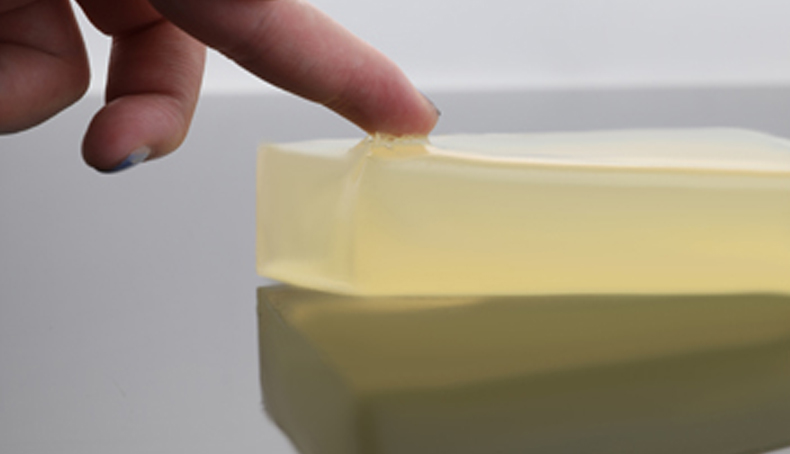
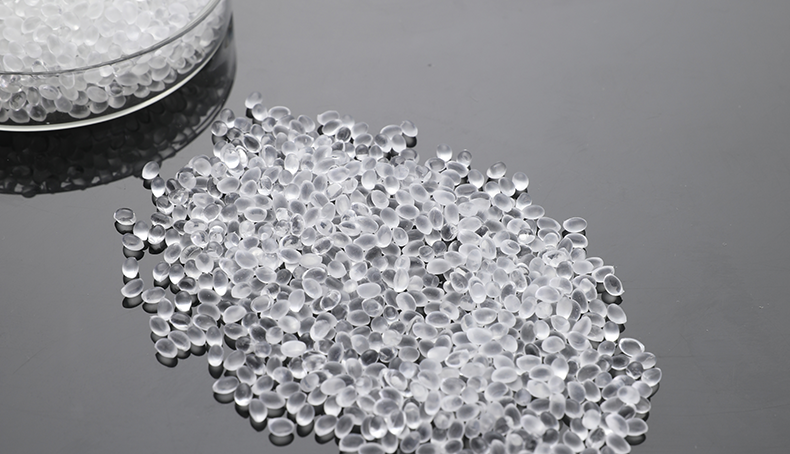
Modern mattress manufacturers typically use spray adhesives, hot melt adhesives, pressure-sensitive adhesives (PSA), or specialized air mattress glue depending on the application.
Not every adhesive is suitable for mattress production. The ideal glue for mattress applications should meet several important requirements.
Mattresses experience constant pressure and movement. Weak bonding can cause foam separation and structural instability.
A high-quality mattress adhesive should bond securely to:
Memory foam
Latex foam
Polyester fabrics
PVC materials
Vinyl surfaces
A mattress continuously compresses and rebounds during use. The adhesive must remain flexible instead of becoming brittle or cracking over time.
Flexible bonding is especially important for:
Memory foam mattresses
Foldable mattresses
Inflatable air beds
Hybrid mattresses
Consumers increasingly prefer healthier and environmentally friendly products. Modern mattress manufacturers often choose low-VOC adhesives to improve indoor air quality and comply with environmental standards.
Benefits include:
Reduced odor
Safer production environments
Better user experience
Regulatory compliance
Mattresses absorb body heat and humidity daily. A poor adhesive may soften, weaken, or fail under extreme conditions.
Professional mattress adhesive should offer:
Heat resistance
Moisture resistance
Aging resistance
Long-term durability
Production efficiency matters in large-scale mattress manufacturing. Fast-curing adhesives help reduce production time and improve assembly speed.
Choosing the correct mattress glue depends on your materials, production process, and performance requirements.
Different materials require different adhesive technologies.
| Mattress Material | Recommended Adhesive Type |
|---|---|
| Memory Foam | Spray adhesive |
| Latex Foam | Water-based adhesive |
| Pocket Spring | Hot melt adhesive |
| PVC Air Mattress | Air mattress glue |
| Vinyl Surface | Contact adhesive |
| Sponge Materials | PSA adhesive |
For inflatable mattress repair, specialized PVC-compatible adhesives provide better waterproof and flexible bonding.
Mattress Manufacturing
Large factories usually prefer:
Spray adhesives
PUR adhesives
Hot melt systems
These improve production speed and consistency.
Mattress Repair
For repair work, brush-on or tube-type adhesives are more practical.
Heavy-duty mattresses require stronger bonding performance than lightweight foam products.
Industrial applications should prioritize:
High peel strength
Compression resistance
Long-term stability
Low-VOC mattress adhesives are becoming increasingly important in North American and European markets.
Eco-friendly adhesives help manufacturers:
Meet environmental regulations
Improve indoor air quality
Enhance brand reputation
Mattresses may be exposed to elevated temperatures during transportation or daily use.
Choose adhesives with reliable thermal stability for:
Adjustable beds
Hybrid mattresses
Automotive sleeping systems
A mattress adhesive must move naturally with the foam without cracking.
Always test:
Flexibility
Recovery performance
Long-term compression resistance
before large-scale production.
An experienced adhesive supplier can provide:
Stable product quality
Technical support
Custom adhesive solutions
Regulatory certifications
Professional suppliers like Renhe offer specialized products for mattress assembly and inflatable mattress repair applications.
Spray adhesive and pressure-sensitive adhesive (PSA) are commonly used for mattress foam because they provide flexible and durable bonding without damaging foam materials.
Yes. Extreme heat or cold can affect adhesive curing and long-term durability. High-quality mattress adhesives are formulated to resist temperature changes and maintain stable bonding performance.
Different mattress materials require different adhesive types. Foam mattresses often use spray or PSA adhesives, while PVC inflatable mattresses require specialized air mattress glue for waterproof and flexible bonding. Always match the adhesive to the material being bonded.
Choosing the right mattress adhesive is essential for ensuring mattress durability, comfort, and production efficiency. A high-quality mattress glue should offer strong bonding, flexibility, heat resistance, low VOC emissions, and fast curing performance.
For inflatable products, using specialized air mattress glue helps create reliable airtight and waterproof seals.
Whether you manufacture foam mattresses or repair air mattresses, selecting the proper adhesive can improve product quality and user satisfaction. For professional bonding solutions, Renhe provides reliable adhesive products for modern mattress applications.
We assured you that your personal information will be kept confidential. The personal data we collect is only used to process your inquiry.


 Jul 22 2026


