
When it comes to sealing or repairing plastic bags, choosing the right method can make all the difference. Whether you’re a packaging factory sealing thousands of bags daily, a stationery retailer sourcing reliable solutions, or an e-commerce seller ensuring product safety, the debate between plastic bag glue and tape is a critical one. Both options have their merits, but which is the better fix for your needs? At QIAN JIANG REN HE, we specialize in high-performance adhesives and understand the nuances of plastic bag sealing. In this guide, we’ll compare plastic bag glue and tape across key factors like strength, cost, ease of use, and application scenarios to help you make an informed decision.
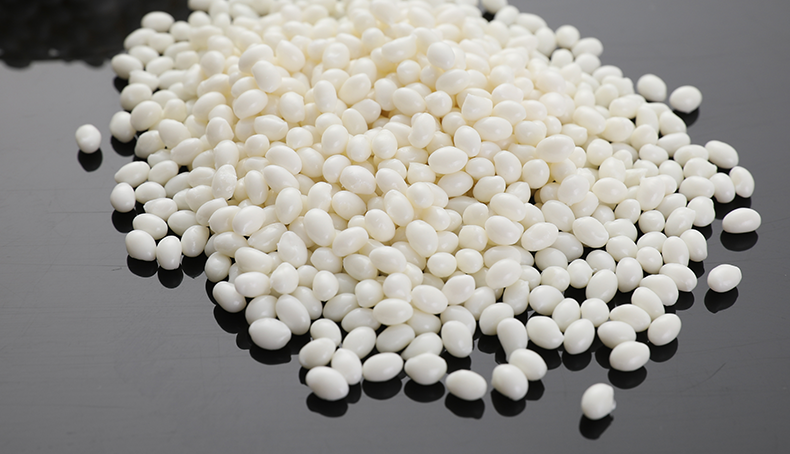
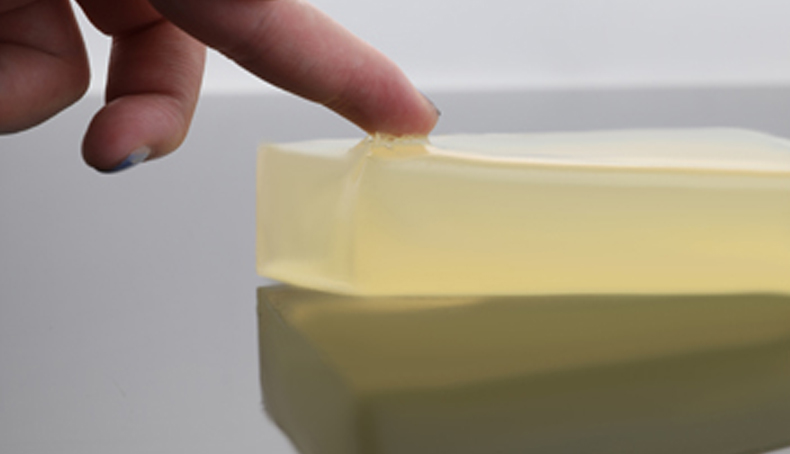
Plastic bag glue, particularly hot melt adhesives, is a versatile solution designed to bond plastic materials like polyethylene (PE) and polypropylene (PP). It’s applied using a glue gun or automated equipment, creating a strong, durable seal or repair. Tape, on the other hand, includes options like clear packing tape, double-sided tape, or specialized adhesive strips, often applied manually or with dispensers for quick sealing.
Both methods are widely used by glue factories, hot melt equipment manufacturers, chemical distributors, stationery retailers, e-commerce buyers, and supermarket procurement teams. But their effectiveness depends on the specific use case—whether it’s sealing food-grade bags, repairing retail packaging, or ensuring industrial-grade durability.
Plastic Bag Glue: Hot melt glue, like the solutions offered by QIAN JIANG REN HE, provides a robust bond that integrates with the plastic surface. When applied correctly, it creates a seamless seal that withstands stress, moisture, and temperature changes. For example, our EVA-based plastic bag glue is ideal for flexible PE bags, maintaining elasticity to prevent cracking during handling. Polyurethane reactive (PUR) glues offer even higher durability for heavy-duty applications, such as industrial packaging.
Tape: Tape offers decent adhesion but often falls short in high-stress scenarios. Clear packing tape can peel under humidity or heavy loads, while double-sided tape may not bond well to low-energy plastics. Specialized tapes, like acrylic-based ones, perform better but can still detach over time, especially on frequently handled bags.
Verdict: Plastic bag glue generally outperforms tape in terms of strength and long-term durability, especially for permanent seals or repairs in demanding environments.
Factor | Plastic Bag Glue | Tape |
|---|---|---|
Bond Strength | High, integrates with plastic surface | Moderate, surface adhesion only |
Durability | Long-lasting, resistant to stress/moisture | Prone to peeling in harsh conditions |
Best For | Permanent seals, heavy-duty repairs | Temporary fixes, quick applications |
Plastic Bag Glue: While the upfront cost of hot melt glue and equipment (like glue guns or automated dispensers) may be higher, the per-unit cost is low for large-scale operations. A single glue stick or bulk adhesive can seal hundreds of bags, making it economical for factories or distributors. At QIAN JIANG REN HE, our bulk adhesive options, detailed on our products page, are designed to maximize value for high-volume users.
Tape: Tape is often cheaper initially, especially for small-scale users like stationery retailers or e-commerce sellers. However, the recurring cost of tape rolls can add up, especially for high-volume sealing. Additionally, tape may require frequent reapplication, increasing long-term expenses.
Verdict: Plastic bag glue is more cost-effective for large-scale or frequent use, while tape may suit smaller, budget-conscious operations.
Plastic Bag Glue: Applying hot melt glue requires a glue gun or automated system, which involves a learning curve for precise application. Temperature control is critical—too hot, and the plastic melts; too cold, and the bond weakens. However, with proper training and equipment, glue application is fast and consistent, especially in industrial settings. Our adhesives at QIAN JIANG REN HE are formulated for smooth flow and compatibility with various applicators, as highlighted in our company profile.
Tape: Tape is undeniably user-friendly, requiring minimal equipment—a dispenser or even just scissors. It’s ideal for quick fixes or small-scale tasks, such as sealing retail bags or patching tears in a warehouse. However, achieving a uniform seal can be challenging, and misaligned tape can look unprofessional.
Verdict: Tape wins for simplicity and speed in small-scale applications, but glue offers greater precision and consistency for professional or bulk operations.
Plastic Bag Glue: Glue is highly versatile, suitable for sealing, repairing, or even crafting with plastic bags. It works across various plastic types (PE, PP, PET) and can be used for food-grade bags if the adhesive is FDA-compliant. Our plastic bag glue is designed for diverse applications, from industrial packaging to custom retail solutions, making it a favorite among chemical distributors and supermarket buyers.
Tape: Tape is versatile for quick sealing but less effective for complex repairs or heavy-duty applications. For example, tape struggles to bond curved or irregular surfaces, and it’s not ideal for food-grade bags due to potential chemical leaching. Specialized tapes exist but are often cost-prohibitive for widespread use.
Verdict: Plastic bag glue offers greater versatility, especially for varied plastic types and permanent fixes.
Plastic Bag Glue: A well-applied glue seal is nearly invisible, creating a clean, professional look ideal for retail packaging or branded products. It blends into the plastic, avoiding the bulky appearance of tape. However, over-application can result in messy squeeze-out, so precision is key.
Tape: Tape is visible, which can detract from a product’s aesthetic, especially for high-end retail or e-commerce packaging. Clear tape may yellow over time, and misaligned strips can look sloppy, impacting brand perception.
Verdict: Glue provides a sleeker, more professional finish, making it the preferred choice for visually appealing packaging.
To decide between plastic bag glue and tape, consider your specific needs:
For Factories and Equipment Manufacturers: Invest in hot melt glue systems for high-volume sealing. Our adhesives at QIAN JIANG REN HE are compatible with automated dispensers, ensuring efficiency and consistency.
For Retail and E-commerce: If speed and simplicity are priorities, tape may suffice for temporary seals. For durable, professional results, opt for glue, especially for branded packaging.
For Repairs: Glue is superior for fixing tears or reinforcing seams, as it bonds directly to the plastic. Use a low-temp glue for thin bags to avoid melting.
Surface Prep: For both methods, clean surfaces with isopropyl alcohol to remove dust or oil. For glue, lightly abrade the plastic to enhance adhesion.
At QIAN JIANG REN HE, we understand the demands of sealing and repairing plastic bags across industries. Our plastic bag glue is engineered for strength, versatility, and ease of use, catering to glue factories, hot melt equipment manufacturers, chemical distributors, stationery retailers, e-commerce sellers, and supermarket procurement teams. Whether you’re sealing food-grade bags or repairing industrial packaging, our adhesives deliver reliable results every time.
We assured you that your personal information will be kept confidential. The personal data we collect is only used to process your inquiry.



 Jul 22 2026


