
In modern footwear manufacturing and repair, adhesive technology plays a critical role in determining durability, comfort, and performance. Among the most widely used solutions today is hot glue for shoes, especially in the form of hot melt adhesives designed for flexibility and high bonding strength.
Whether you are producing athletic footwear, repairing worn-out soles, or selecting materials for industrial shoe production, understanding how hot glue on shoes performs under stress is essential. This guide explores everything from material compatibility to supplier selection, helping manufacturers, repair specialists, and procurement teams make informed decisions.
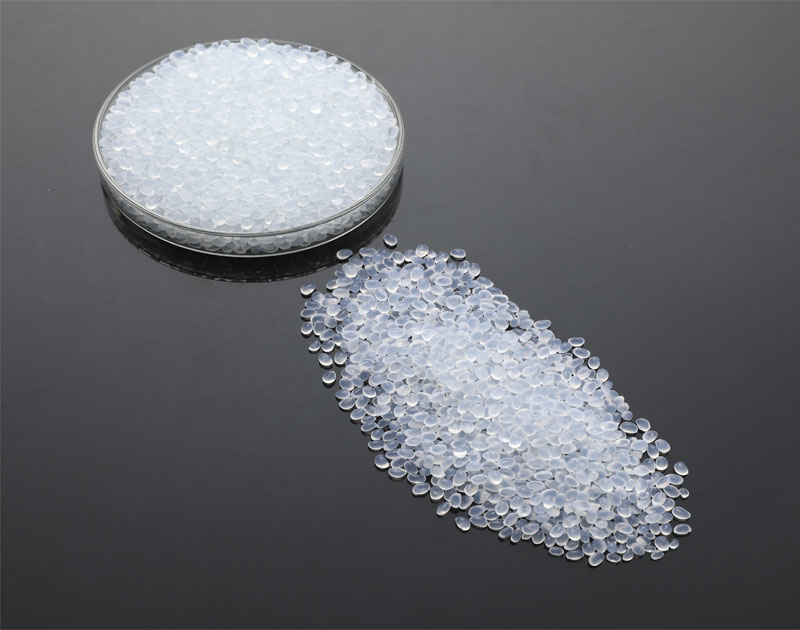
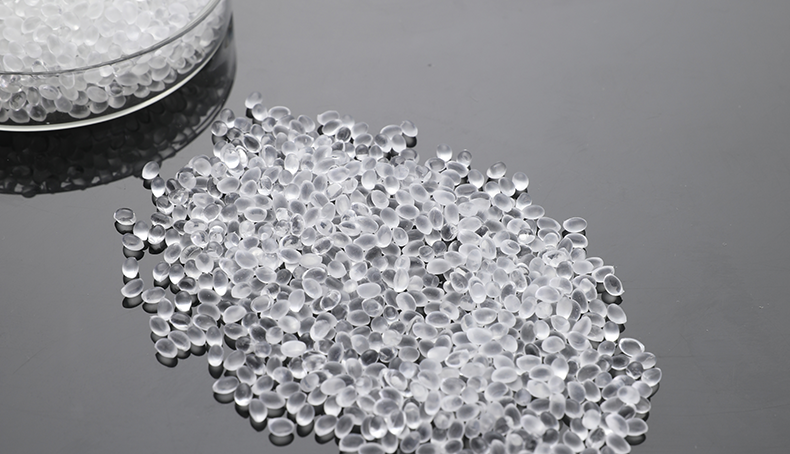
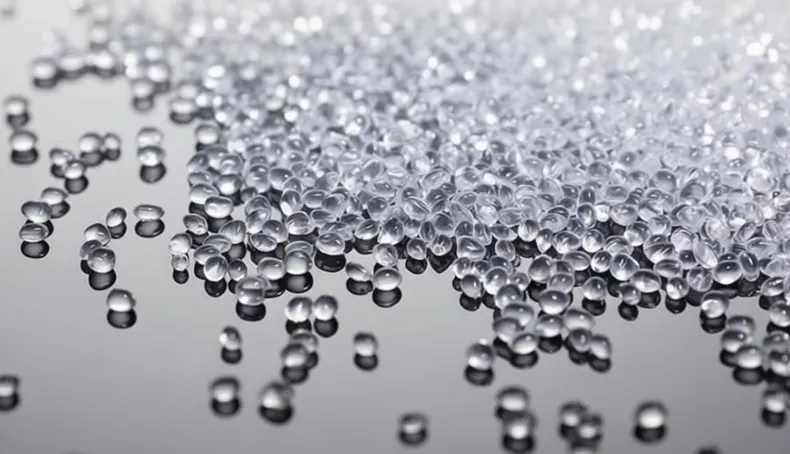
Hot glue for shoes refers to thermoplastic adhesive materials that are heated until molten and then applied to shoe components where they solidify upon cooling. This creates a strong yet flexible bond between materials such as rubber, EVA, leather, PU foam, and textiles.
Unlike rigid adhesives, modern shoe making glue is engineered to maintain elasticity, which is essential for footwear that undergoes repeated bending and impact.
Thermoplastic bonding behavior
Fast curing time
High flexibility after cooling
Compatibility with multiple shoe materials
Strong resistance to peeling and vibration
In industrial applications, hot melt adhesives are often preferred for mass production due to their speed and consistency.
The popularity of flexible glue for shoes is driven by its unique performance advantages. Below is a breakdown of its key benefits:
Hot melt adhesives provide a balance between durability and elasticity, making them ideal for glue for running shoes, where constant flexing occurs.
Since the glue sets quickly, manufacturers can significantly reduce assembly time.
Works effectively with leather, rubber, synthetic fabrics, EVA midsoles, and thermoplastic components.
Does not add unnecessary weight to footwear, maintaining comfort and performance.
Many modern formulations are solvent-free, reducing environmental impact.
Choosing between hot glue on shoes and traditional adhesives depends on production goals, materials, and performance requirements.
| Feature | Hot Melt Adhesive | Traditional Shoe Glue (Solvent-Based) |
|---|---|---|
| Drying Time | Very fast (seconds–minutes) | Slower (hours) |
| Flexibility | High | Medium to low |
| Application Method | Heated equipment required | Brush or spray |
| Strength | High initial tack | Strong long-term bond |
| Environmental Impact | Low VOC options available | Often contains solvents |
| Production Efficiency | Excellent for mass production | Less efficient |
Different shoe components require different adhesive behaviors. Selecting the correct shoe making glue ensures product longevity and performance.
| Shoe Material | Recommended Adhesive Type | Reason |
|---|---|---|
| Rubber Outsoles | EVA-based hot melt glue | High flexibility and grip |
| Leather Upper | Polyamide hot melt adhesive | Strong bonding without stiffness |
| EVA Midsole | Reactive hot melt glue | Lightweight and durable |
| Fabric/Textile | Pressure-sensitive hot melt glue | Prevents fabric damage |
| TPU Components | Modified polyurethane adhesive | Excellent compatibility |
For running shoes, adhesives must withstand repetitive bending and shock absorption. Therefore, flexible glue for shoes with high elasticity is essential.
Hot glue works well on most common shoe materials like rubber, EVA, leather, and textiles. However, specialized footwear may require more advanced adhesive systems.
Yes, but only waterproof-grade hot melt adhesives should be used. These formulations help maintain sealing performance in wet environments.
Hot glue offers speed and flexibility, while stitching provides mechanical strength. Most modern shoes use both methods together for best performance.
Hot glue for shoes has become a cornerstone of modern footwear manufacturing due to its flexibility, efficiency, and compatibility with diverse materials. From running shoes to industrial footwear, hot melt adhesives deliver performance that traditional glues often cannot match.
By selecting the right formulation and partnering with reliable glue suppliers like Renhe, manufacturers can significantly improve product durability, production efficiency, and market competitiveness.
We assured you that your personal information will be kept confidential. The personal data we collect is only used to process your inquiry.


 Jul 22 2026


